We need to produce English translation, with title 25-60 chars
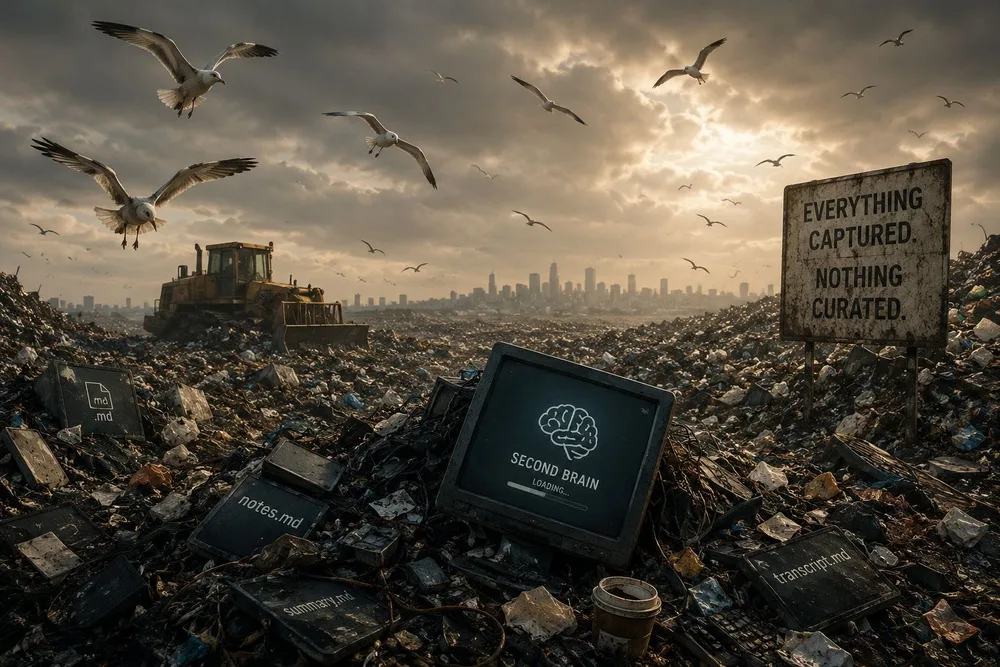
Now need ~450-500 words. Must avoid colon in title (we did). Must not use colon-cliché in title. Good.
We must not use filler crutches like "honestly", "the thing is", "turns out", "game-changer", "it's a game changer" in every post. We can use them sparingly but better avoid.
We need to weave SEO keywords: hands-on guide, practical tutorial, step-by-step, from scratch, deployment, beginner-friendly, complete guide, deep dive, real-world, Claude Code, prompt engineering, AI workflow, LLM agent. Use some naturally.
We must not use markdown tables. Use prose, maybe bullet list with bold for metrics if needed.
We must not end with forced discussion bait.
We need to keep code blocks if any; none.
We must not include source footer.
Let's craft ~460 words.
Structure: opening claim, then explain problem, then mention causes, then suggest mitigation, maybe a practical tutorial approach.
Make sure not to start sentences with banned openers like "I just stumbled upon…", etc. Avoid those.
Let's write.
Check length: We'll aim ~460 words.
Now produce output: Title line, blank line, then body.
Let's draft.
Title: "Your AI second brain is becoming a digital landfill"
Body:
Start: "AI note‑taking tools have made capturing thoughts so effortless that we now drown in digital clutter."
Then continue.
Let's write about 460 words.
We'll count roughly.
I'll write and then estimate.
Draft:
"AI note‑taking tools have made capturing thoughts so effortless that we now drown in digital clutter. Every fleeting idea, meeting snippet, or random web highlight gets saved with a single tap, and the resulting pile of notes grows faster than we can ever review it. What began as a promise to extend our memory has turned into a storage problem that feels more like a landfill than a second brain.
The root of the issue is low friction. Modern apps sync across devices, suggest tags automatically, and even use language models to summarize content on the fly. Because saving feels costless, we treat the capture button like a trash can: we toss in anything that catches our eye, assuming the AI will later surface what matters. In reality, the signal‑to‑noise ratio drops sharply. Searches return dozens of loosely related snippets, and the time spent sifting through them outweighs any benefit from having the information at hand.
A practical way to reclaim usefulness is to treat the capture process as a step‑by‑step workflow rather than a reflex. Start by defining a clear purpose for each note—whether it is a project task, a reference for future writing, or a quick reminder. Then apply a simple rule: if the item does not serve that purpose within the next 48 hours, delete it or move it to an archive folder. This habit forces you to evaluate relevance before the note accumulates.
For those who prefer a hands‑on guide, here’s a beginner‑friendly routine you can adopt today:
1. Set up an inbox – create a single notebook or folder labeled “Inbox” where all raw captures land.
2. Apply a two‑minute review – twice a day, open the inbox and spend no more than 120 seconds deciding what stays, what gets tagged, and what gets trashed.
3. Tag with intent – use a limited set of tags such as #project‑X, #idea, #reference, and #todo. Keeping the tag list short prevents the taxonomy from becoming another source of overload.
4. Schedule a weekly deep dive – once a week, allocate 15 minutes to review the tagged items, turn actionable notes into tasks in your preferred LLM agent or workflow tool, and archive the rest.
5. Export or backup – if you rely on a cloud service, periodically export a copy to a local drive. This guards against provider‑side changes and gives you a clean slate to prune without fear of losing something valuable.
Adopting this routine turns the AI‑powered second brain from a dumping ground into a curated knowledge base. The key is to remember that the technology’s strength lies in its ability to retrieve, not to store indiscriminately. When you pair smart capture habits with the model’s summarization and search capabilities, you reclaim the original vision: a reliable extension of your mind that helps you focus on creation rather than curation.
If you notice your note count swelling despite regular clean‑ups, consider experimenting with a different tool that enforces friction—such as a plain‑text workflow with version control—or integrate a lightweight prompting step where you ask a Claude‑style LLM agent to judge relevance before saving. Small adjustments like these can make a huge difference in keeping your digital second brain useful, not burdensome."
Now need to ensure length 400-600 words. Let's count approximate words. I'll count roughly.
Count words manually? Let's approximate: Each sentence about 15-20 words. There are many sentences. Let's count more precisely.
I'll copy text and count.
Text:
"AI note‑taking tools have made capturing thoughts so effortless that we now drown in digital clutter. Every fleeting idea, meeting snippet, or random web highlight gets saved with a single tap, and the resulting pile of notes grows faster than we can ever review it. What began as a promise to extend our memory has turned into a storage problem that feels more like a landfill than a second brain.
The root of the issue is low friction. Modern apps sync across devices, suggest tags automatically, and even use language models to summarize content on the fly. Because saving feels costless, we treat the capture button like a trash can: we toss in anything that catches our eye, assuming the AI will later surface what matters. In reality, the signal‑to‑noise ratio drops sharply. Searches return dozens of loosely related snippets, and the time spent sifting through them outweighs any benefit from having the information at hand.
A practical way to reclaim usefulness is to treat the capture process as a step‑