Xiaomi’s Xuanjie O3 chip delivers performance that challenges expectations for mobile silicon
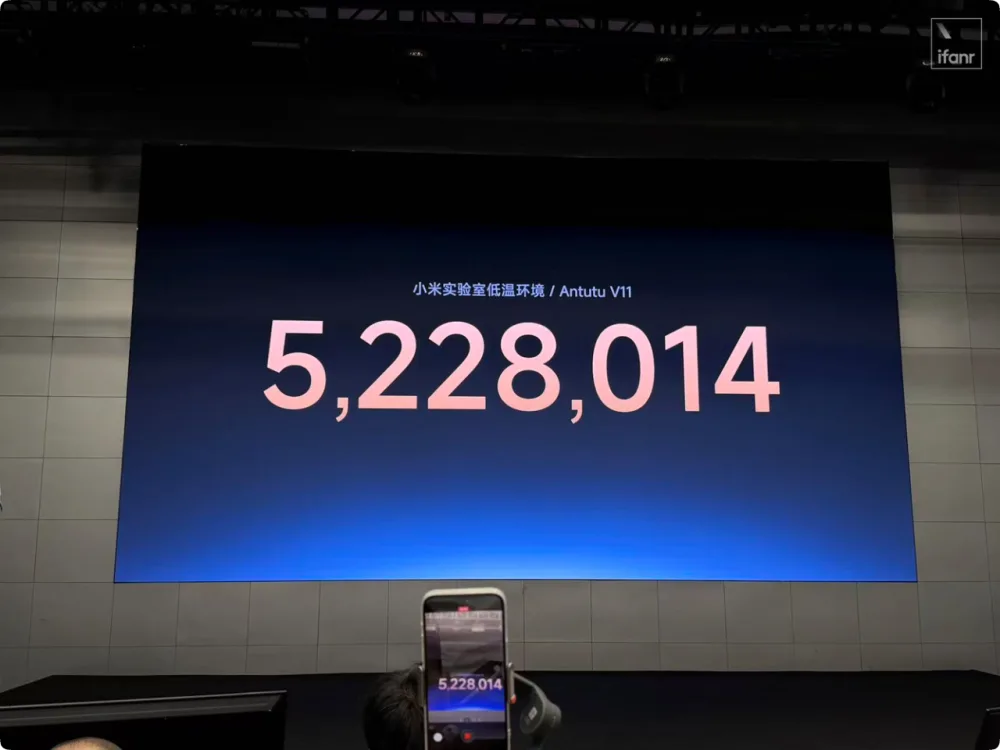
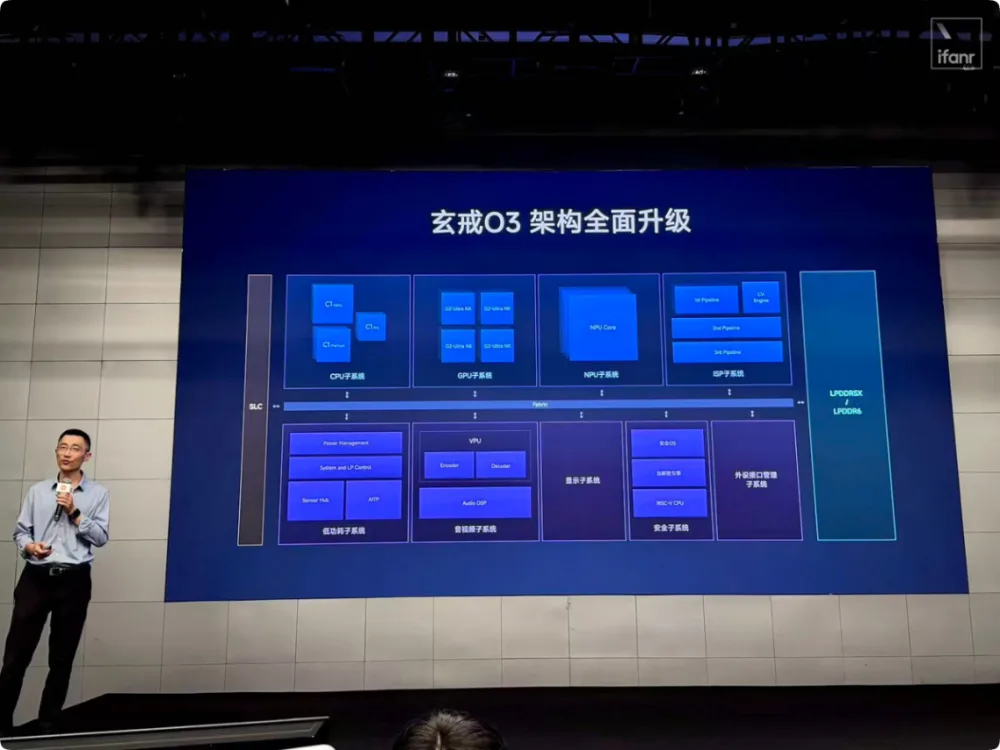
The Xuanjie O3, Xiaomi’s second-generation in-house SoC, redefines what’s possible in mobile silicon with a Geekbench 6.5 multi-core score of 15,000—nearly 40% higher than Apple’s A19 Pro—and an AnTuTu score of 5.22 million even under extreme low-temperature conditions.
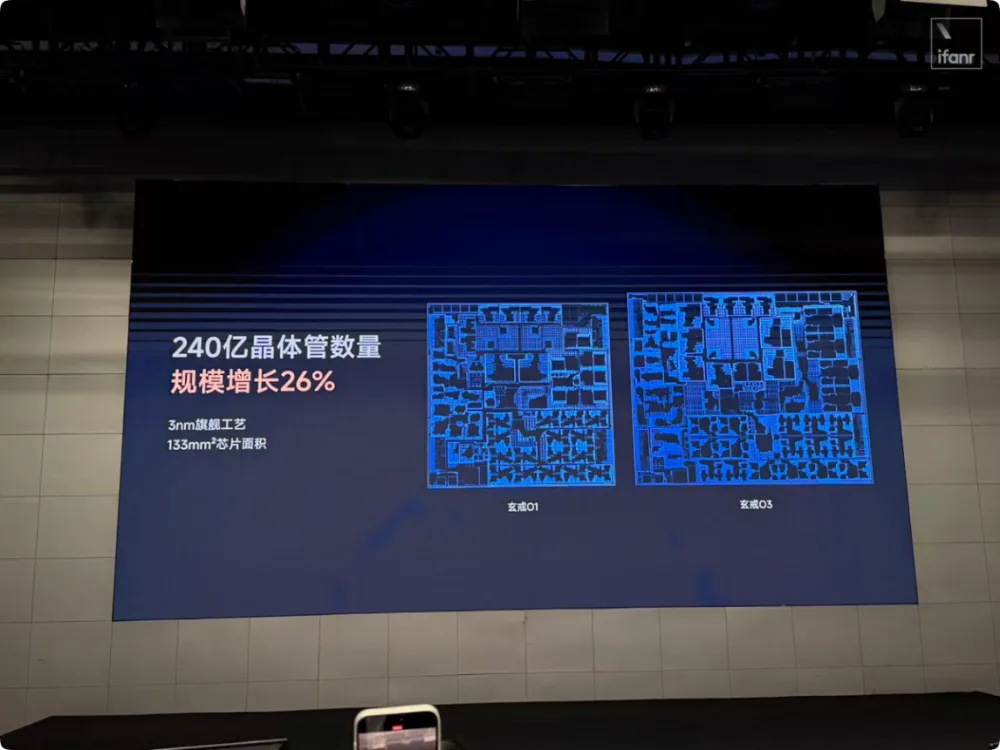
Its architecture sets it apart. The chip features a 10-core CPU configuration—six "super" cores and four "big" cores—all clocked at up to 4.35GHz, emphasizing multi-threaded performance over single-core speed. To accommodate this design, Xiaomi expanded the die from 109mm² on the O1 to 133mm² while maintaining a 3nm process, increasing transistor count from 19 billion to 24 billion.
Thermal and power efficiency remain strong despite the added cores. The O3 reduces power consumption by 25% across 80% of typical low-to-medium workloads. The 16-core G2-Ultra NX GPU delivers an 85% performance boost over its predecessor, with ray tracing performance improving by 182%.

Addressing the memory bottleneck, the O3 supports LPDDR6 at 10667Mbps, achieving 113.8GB/s—nearly 50% faster than LPDDR5X. On-chip cache expands to 60MB (12MB L2, 16MB L3, and 16MB SLC), with static memory latency dropping to 82ns. For AI workloads, the chip applies hardware-level lossless Huffman compression, reducing memory bandwidth use by 30% for Xiaomi’s MiMo quantized models.
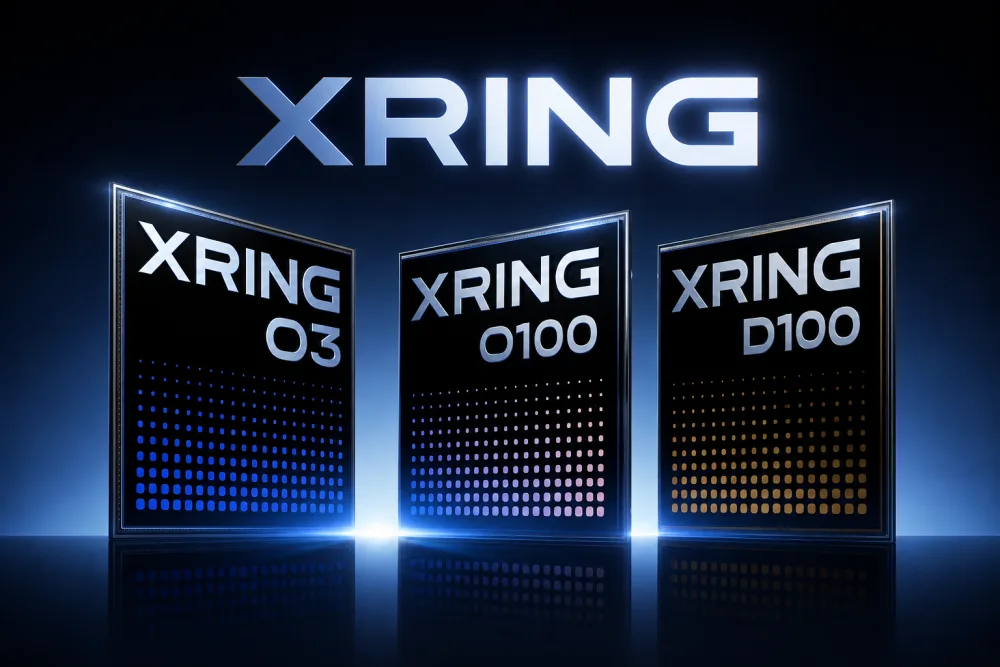
Beyond mobile, Xiaomi is expanding its Xuanjie ecosystem with specialized silicon:
- The Xuanjie O100 (AI Accelerator) uses a "Wafer on Wafer" 3D stacking method with Hybrid Bonding, achieving 1.22TB/s memory bandwidth and up to 330 tokens/s for local LLM inference.
- The Xuanjie D100 (Automotive AI) targets autonomous driving, supporting 160GB of unified memory for large 200B-parameter models with low latency.
The company is building a full AI hardware stack, including HyperOS for orchestration, MiMo for models, and the Xuanjie chips for silicon. The upcoming Xiaomi 18 Fold will feature the O3, while a "Xiaomi AI Cube Prototype" desktop AI workstation was also teased.
All Replies (3)
Want a live back-and-forth? Join the global AI chat room — login to talk.
Check those NPU benchmarks! Are the AI gains actually legit or just marketing fluff? Xiaomi’s Xuanjie O3, for example, isn’t just pushing CPU scores—it’s packing 10 full big cores (six "super" and four "big," all hitting 4.35GHz) to dominate multi-threaded workloads, which could translate to real-world AI acceleration if optimized properly. But without concrete NPU benchmarks, it’s still hard to tell if the hype matches the hardware.
My last Xiaomi throttled instantly. Will this O3 chip actually hold its speed, especially since they went all-in on a bold 10-core CPU setup with six “super” cores and four “big” cores, all capable of hitting 4.35GHz?
I'm skeptical about the heat. Does the O3 actually stay cool under load or is it just marketing?
At the recent Xuanjie technical briefing, Xiaomi unveiled its second-generation in-house SoC—the Xuanjie O3—with a Geekbench 6.5 multi-core score of 15,000, nearly 40% ahead of Apple's A19 Pro. To achieve these peak numbers, Xiaomi went all-in on a bold 10-core CPU setup: six “super” cores and four “big” cores, all capable of hitting 4.35GHz. But raw frequency is only part of the story. The real innovation lies in the architecture, especially for those tracking the evolution of silicon design. Packing ten high-performance cores into a mobile design presents serious thermal and spatial hurdles. Built on a 3nm process, Xiaomi expanded the die from 109mm² on the O1 to 133mm². That allowed them to scale the transistor count from 19 billion to 24 billion. More cores usually mean more heat, but Xiaomi says the O3 cuts power draw by 25% across 80% of typical low-to-medium usage. On the graphics front, the 16-core G2-Ultra NX GPU delivers an 8