Volkswagen Applies Platform Strategy to AI and HS8 Architecture
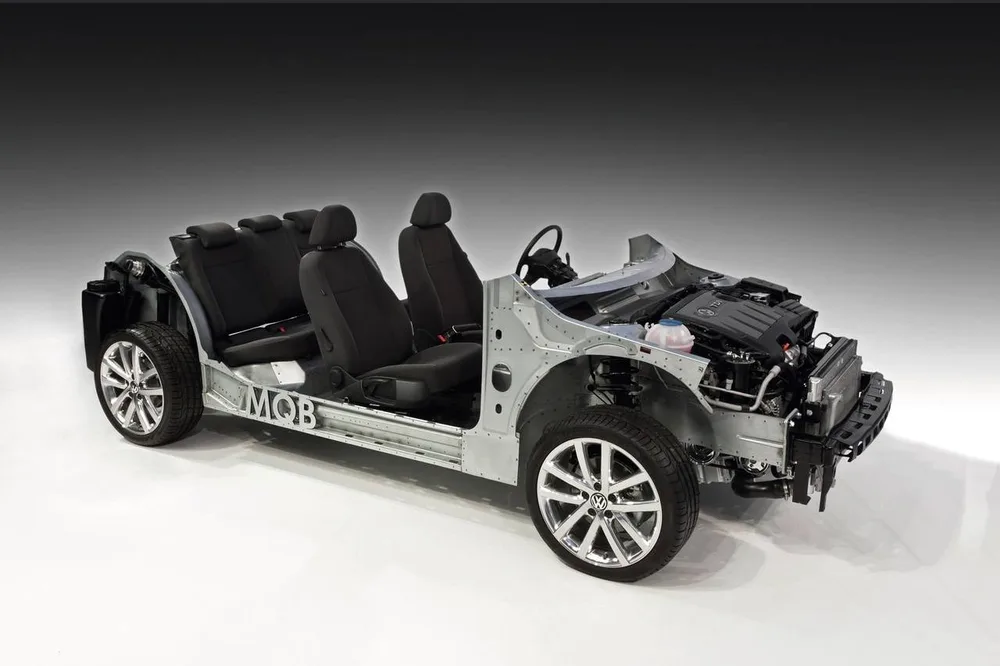
Volkswagen basically built its empire on the MQB platform, allowing them to share engines and chassis across millions of Golfs and Passats while keeping the models distinct. Now, they are trying to do the exact same thing with AI and driver assistance. Instead of fragmented software teams doing their own thing, VW is consolidating its intelligence into a unified stack to scale across multiple brands and price points.
The Architecture of the HS8 Platform
The system isn't just a single piece of software; it's a tiered pipeline designed for mass deployment. At the base is GAIA 2.0, which handles data and simulation. This is where the "heavy lifting" happens—generating rare edge cases like pedestrians darting out or construction zones in a virtual world to train the AI without needing to find those scenarios in the real world. It can even synthesize LiDAR point clouds from camera data, making the training data versatile across different sensor suites.
This data feeds into the HS (Hyper Sense) foundation model. To get this onto actual vehicle hardware, VW uses distillation and quantization to shrink the model into HS8, the production-ready version. The HS8 utilizes a one-stage end-to-end model for driving decisions, which cuts out the lag caused by switching between perception, prediction, and planning.
The deployment varies by car tier:
- Entry-level: Uses the Horizon Robotics Journey 6M chip, 11 cameras, and 128 TOPS of compute (found in the ID. ERA 5S and upcoming Jetta M6).
- High-end: Uses the Journey 6H chip, 1 LiDAR, 11 cameras, and 420 TOPS of compute.
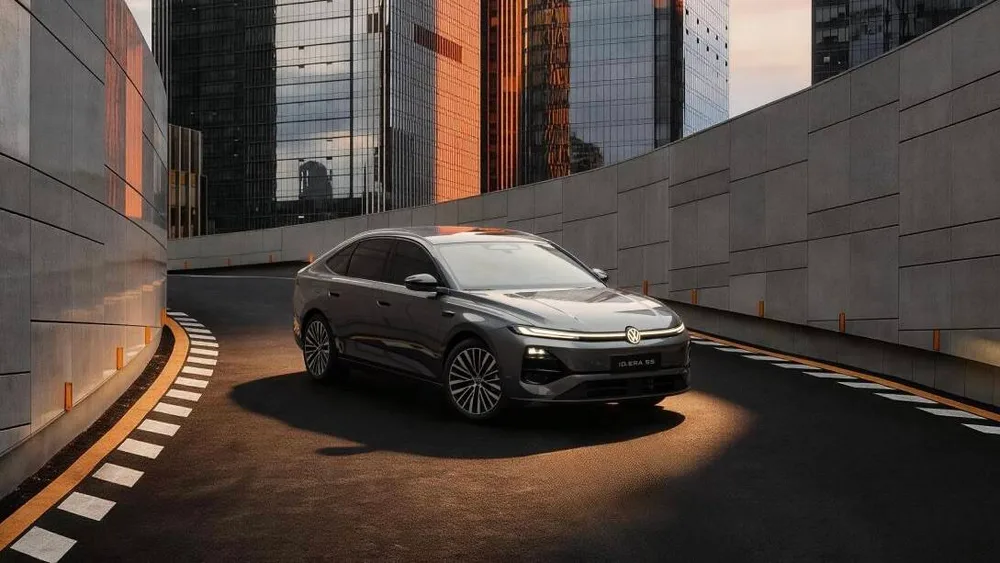
Connecting all this to the wheels is the CEA electronic architecture. This acts as the universal interface, ensuring the AI can talk to the steering, brakes, and chassis regardless of whether the car is a BEV, PHEV, or ICE.
Data over Cost Savings
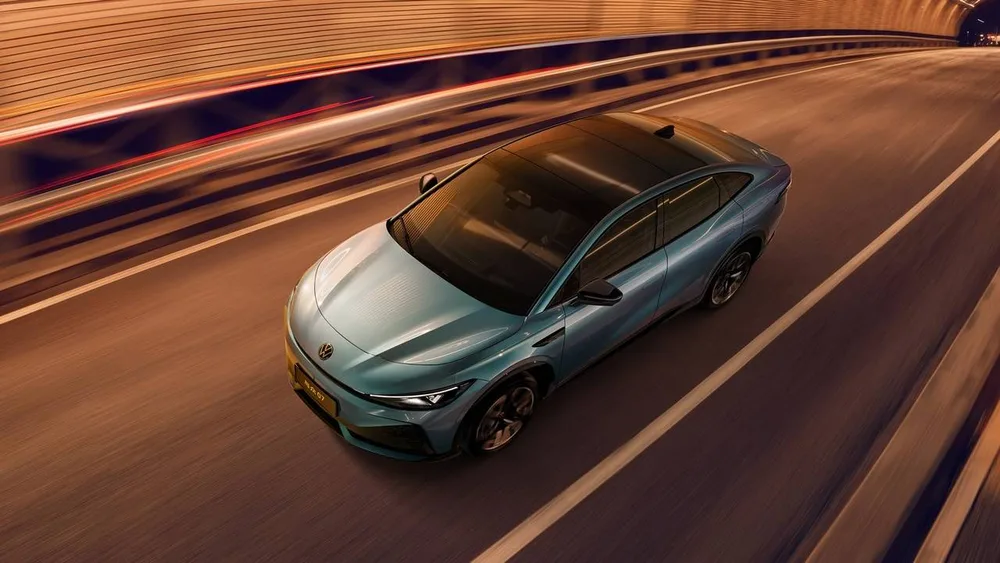
The strategic move here is pushing this tech into budget models first. By putting the HS8 into cars priced under 150,000 RMB, VW isn't just trying to be competitive on features; they are hunting for data. More cars on the road mean more diverse real-world data flowing back into GAIA 2.0, which in turn makes the foundation model smarter. It's a classic flywheel effect.
In terms of actual driving behavior, they've aimed for a "polite but confident" style. They trained the system using data from professional drivers with 20+ years of experience to avoid the "robotic" feel. They use "residual learning" to minimize the jerkiness of braking and steering, aiming for that smooth, human-like feel that separates premium ADAS from clunky systems.
Real-world Deployment
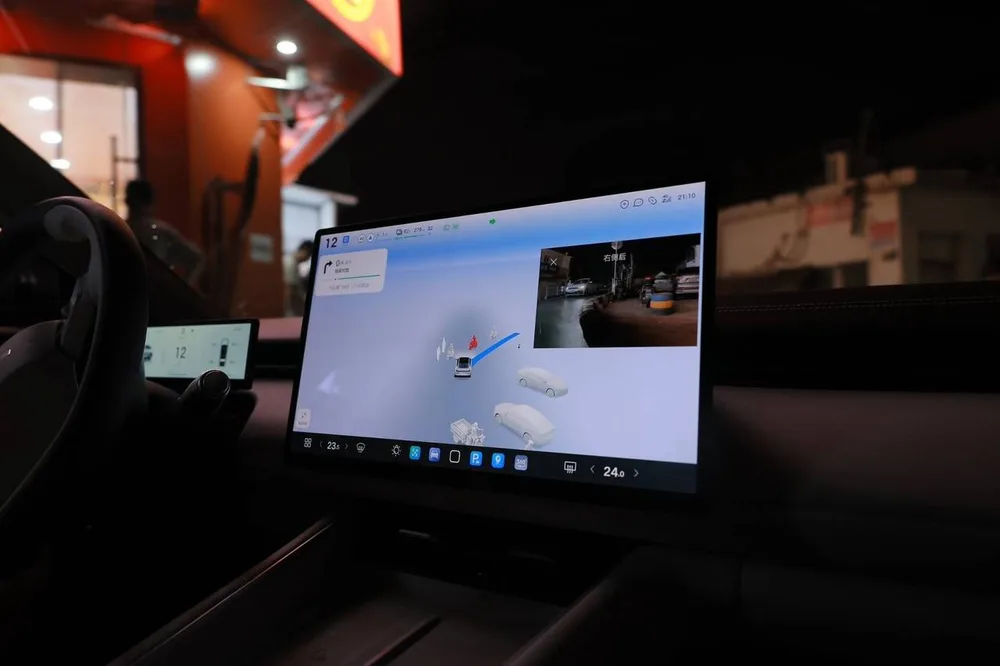
The ID. ERA 5S is the first major test case for this approach. As a plug-in hybrid targeting families, it's the perfect vehicle to prove that a vision-only HS8 system can handle city and highway navigation at a mainstream price point.
If VW can successfully replicate this across seven different models from three joint ventures, they'll have effectively turned "how to drive" into a modular component. The goal is to standardize the data, models, and safety benchmarks while leaving the hardware and chassis tuning to the individual car models. It's a massive bet on the idea that software scale is the only way to survive the current AI arms race in automotive.
All Replies (3)
Want a live back-and-forth? Join the global AI chat room — login to talk.
Loved my old Jetta for that reason! Which parts are actually still easy to find?
Hardware is one thing, but can they actually scale the software? Who is leading their dev team?
My MQB parts were so cheap to replace. Which specific model are they applying this strategy to now?