AI Copyright Lawsuits
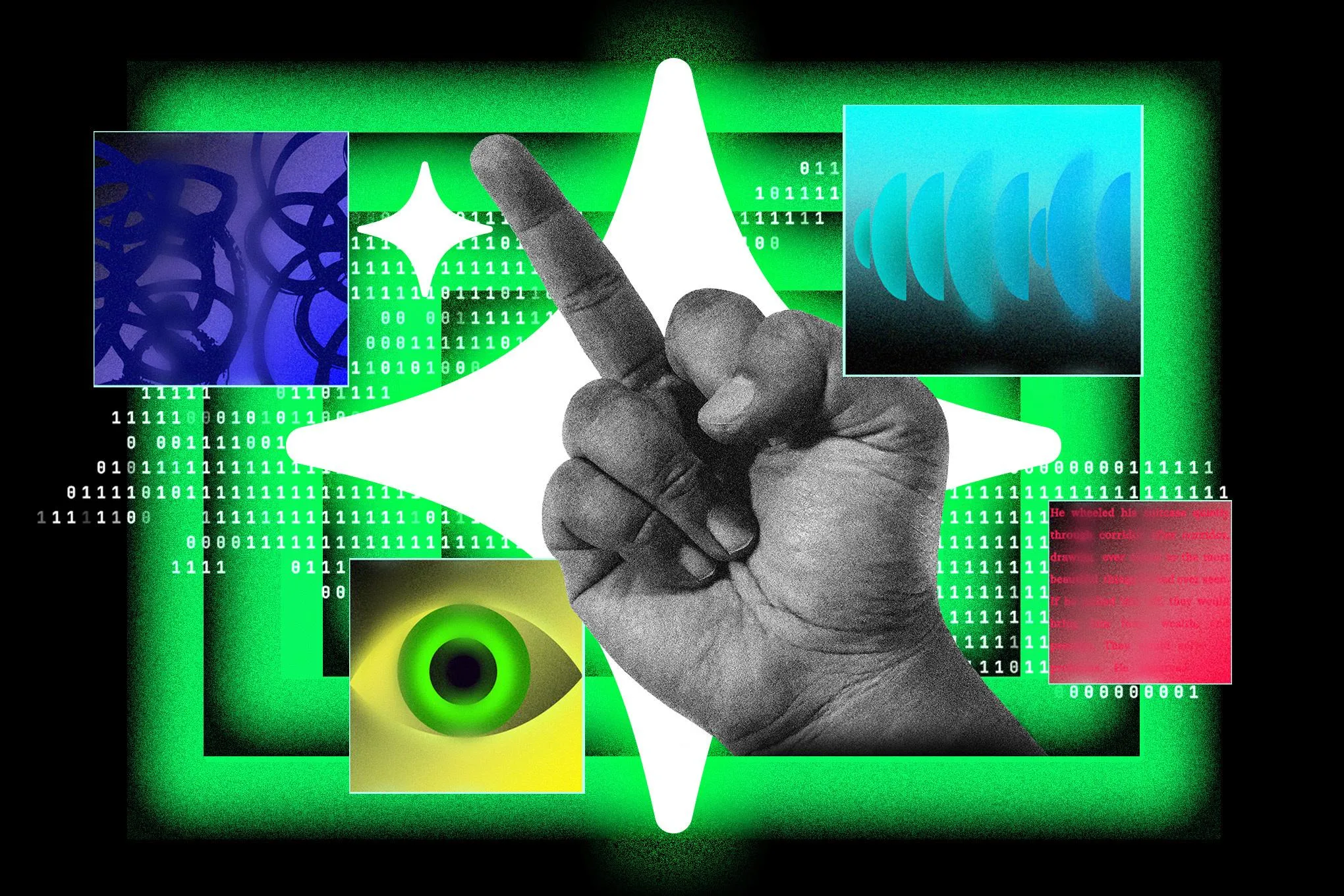
Kirk Wallace Johnson spent over half a decade researching and writing nonfiction books like The Feather Thief, only to find his life's work sitting inside a searchable dataset used to train AI models without his consent. This isn't an isolated incident; it's a systemic pattern where massive corporations scrape the web, vacuum up intellectual property, and build multi-billion dollar LLM agents on the backs of creators who never saw a dime in royalties.
The Shift from Acceptance to Litigation
For the first year of the generative AI boom, the narrative was mostly about "democratizing creativity." Now, the conversation has shifted toward a deep dive into copyright infringement. Artists are no longer just complaining on social media; they are filing class-action lawsuits. The core of the conflict lies in the "training" phase. Companies argue that training an AI is "fair use" because the model learns patterns rather than copying pixels or words. However, creators argue that when a model can mimic a specific artist's style or regurgitate chunks of a copyrighted book, it's not "learning"—it's high-tech plagiarism.
The Impact on AI Workflows
If these lawsuits succeed, the entire AI workflow for developers and prompt engineering will have to change. We are moving toward a world where "clean" data is the gold standard. This means moving away from massive, uncurated scrapes and toward licensed datasets. For those of us building tools, this introduces a new layer of complexity in deployment:
- Data Provenance: Knowing exactly where the training data came from.
- Opt-out Mechanisms: Implementing ways for artists to remove their work from future training cycles.
- Attribution Models: Developing systems that can credit the original source when a specific style is evoked.
Real-World Implications for Creators
The emotional toll is significant. When you spend five to six years on a single investigation, seeing it treated as "tokenized data" feels like a violation. The "cocktail" of anger and worry stems from the fact that these corporations have become galactically wealthy by automating the very skills they stole.
From a technical perspective, this is pushing the industry toward a more ethical "from scratch" approach to model training. We might see a rise in boutique models trained on small, high-quality, fully licensed datasets rather than the current "scrape everything" mentality. This would actually benefit the end-user because models trained on curated, high-quality data often exhibit fewer hallucinations and better reasoning than those trained on the "slop" of the open web.
The legal battle is essentially a fight over the value of human labor in the age of automation. Whether it's through new licensing frameworks or court-mandated payouts, the "wild west" era of AI data collection is ending. For anyone implementing AI in their business, auditing the data sources of your chosen LLM is no longer optional—it's a risk management necessity.
All Replies (4)
I'm skeptical about opt-out tags. Does anyone have proof that crawlers actually respect them?
It's creepy seeing my niche phrasing in GPT. Has anyone else found their private technical docs in the training set?