AI-Driven Drug Discovery: My Take on Biologics
The real meat here is how biologics—engineered proteins—are being handled. We aren't just talking about "speeding things up"; we're talking about a build-measure-learn loop that actually works. Instead of scientists blindly testing thousands of molecules in a wet lab, AI handles the initial prioritization. It predicts which designs will actually bind to a target or stay stable in the body, so the humans only waste their time on the top-tier candidates.
The "Undruggable" Frontier
What's actually interesting is the move toward multi-specific biologics. Old-school drugs usually hit one pathway. The next generation needs to hit multiple targets or deliver payloads to specific cells without nuking everything else. That's a multi-variable optimization nightmare that would break a human brain, but it's exactly where LLM agents and predictive models excel. We're moving from "hope this works" to "designing for potency and safety simultaneously."
The Data Moat Reality
Everyone talks about the models, but the real power is the proprietary data. You can't just plug a generic AI into a lab and expect a cure for cancer. The "data moat" consists of:
- Molecular structures
- Binding measurements
- Safety profiles
- Manufacturing outcomes
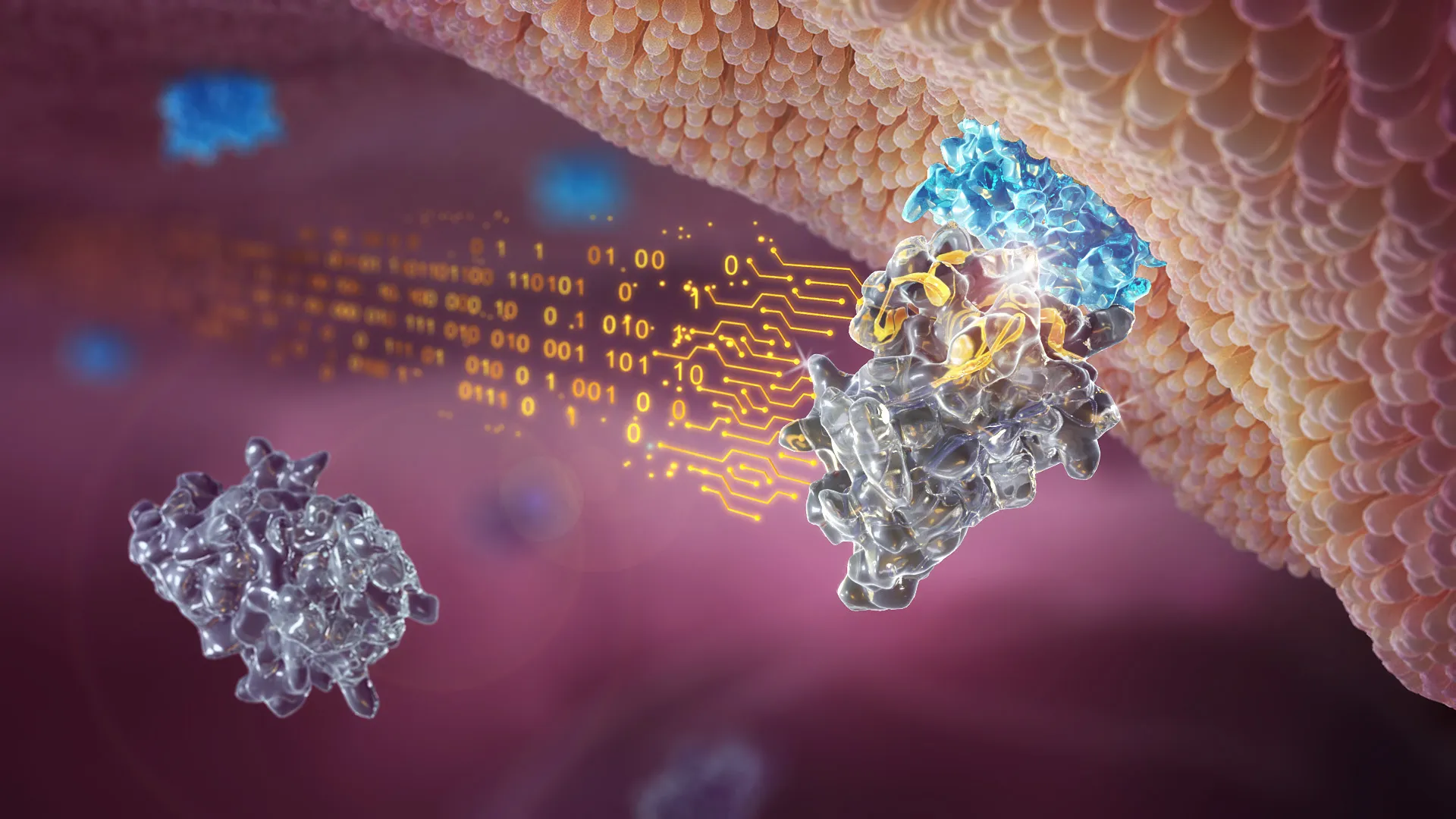
The failure data is actually the most valuable part. Knowing exactly why a molecule failed is what allows a company to fine-tune a frontier AI model to avoid that mistake in the next iteration. McKinsey claims this could slash discovery timelines by 50%, which sounds like marketing hype until you realize how much time is currently wasted on "dead-end" molecules.
This is a textbook example of a real-world AI workflow replacing legacy trial-and-error. If you're into prompt engineering or LLM architecture, looking at how these multimodal datasets are used to fine-tune specialized models is where the real gold is.