Double Descent in Toy Transformers
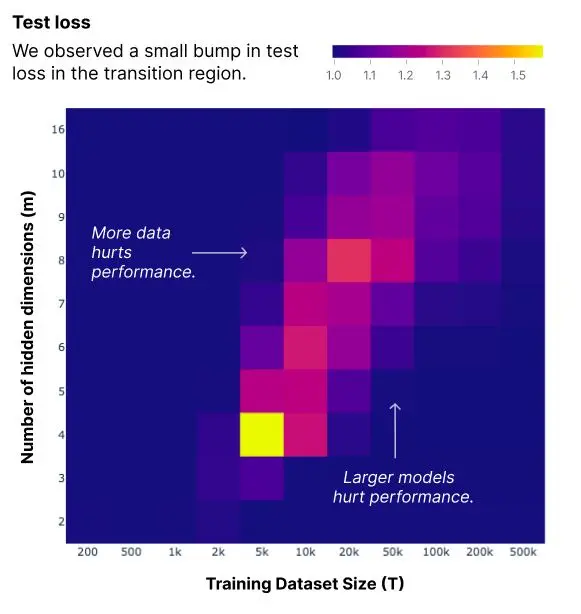
It's fascinating to see the "double descent" phenomenon—where test error improves, worsens, and then improves again—being dissected in toy models. Most of us are used to the traditional bias-variance tradeoff, but modern LLMs thrive in the overparameterized regime where these rules change.
What stands out here is the correlation between model capacity and the point at which this spike occurs. It suggests that larger models aren't just "better" because they have more parameters, but because they shift the threshold of when they stop memorizing and start generalizing. While the researchers admit there are still open questions regarding the nature of the loss spike, this provides a much-needed peek into the "black box" of memorization. Moving from empirical observation to a mechanistic theory is exactly what the field needs right now to move beyond trial-and-error scaling.
All Replies (0)
No replies yet — be the first!